The following is a blog post exploring the intersection of tradition, medicine, and modern law in Western Uganda.
Between Medicine and Mystery: Understanding the “Witch Doctors” of Western Uganda
If you travel through the rolling hills of the Rwenzori region or the lush landscapes of Ankole and Bunyoro, you will eventually encounter a facet of life that remains both deeply influential and highly misunderstood: the world of traditional healers, often referred to by outsiders as “witch doctors.”
In Western Uganda, these practitioners are not a monolith. They represent a complex social fabric where ancient African spirituality meets modern-day health challenges. To understand their role, one must look past the sensationalist headlines and into the daily realities of the communities they serve.
1. The Healer vs. The Sorcerer
To locals, the English term “witch doctor” is often a clumsy misnomer. The community generally recognizes three distinct categories of practitioners:
- The Herbalists (Abafumu): These are the botanists of the bush. They possess an encyclopedic knowledge of indigenous plants, roots, and barks. For many in remote villages where a modern clinic might be a day’s walk away, the herbalist is the primary healthcare provider.
- The Spiritual Consultants: These individuals deal with the “unseen.” They are sought out to settle land disputes, provide protection for a new home, or interpret dreams through divination.
- The “Night Dancers” and Malevolent Actors: This is the dark side of the profession. Those who claim to use juju for harm or perform ritualistic sacrifices are feared and increasingly hunted by both the community and the Ugandan police.
2. Why People Still Turn to Tradition
Despite the growth of modern medicine, traditional healing remains a billion-shilling industry in Uganda. The reasons are often more practical than mystical:
- Accessibility: In many parts of Western Uganda, traditional healers outnumber medical doctors 10 to 1.
- Holistic Approach: While a hospital treats a physical infection, a traditional healer addresses the social and spiritual cause. They answer the question: “Why did this happen to me now?”
- Cultural Identity: Many Western Ugandans see “African Science” as a way to preserve their heritage in an increasingly globalized world.
3. The Law and the “Fake Healer” Crisis
The landscape is shifting. In 2019, Uganda passed the Traditional and Complementary Medicines Act, which aims to regulate healers and separate legitimate herbalists from fraudsters.
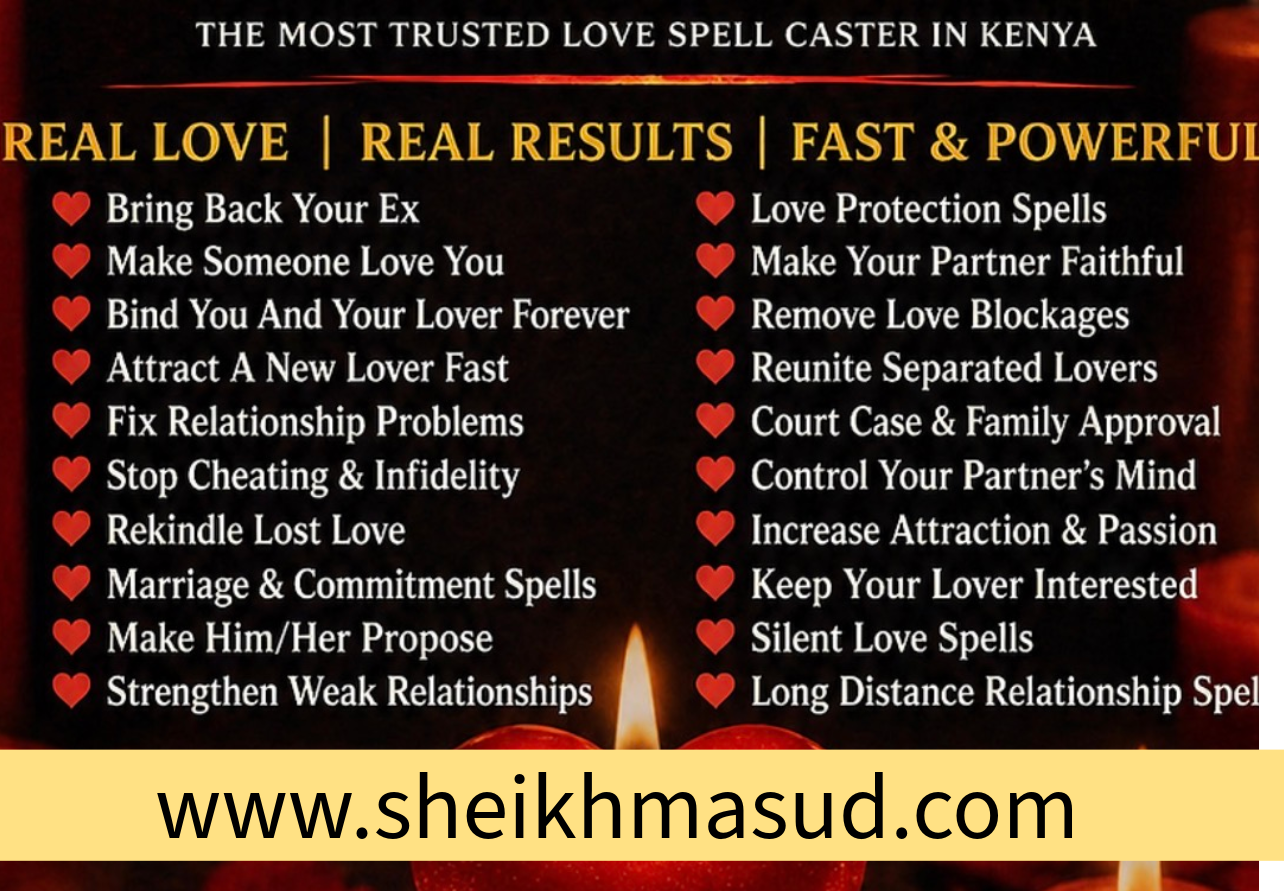
The rise of the “urban witch doctor”—those who put up neon posters in towns like Mbarara or Hoima promising to “bring back lost lovers” or “multiply wealth”—has caused a rift. Traditional elders often view these newcomers as scammers who exploit the desperate, leading to a push for stricter licensing and background checks.
4. A Delicate Balance
The relationship between modern medicine and traditional practice is slowly evolving from conflict toward collaboration. Organizations are working to train herbalists to recognize symptoms of malaria or HIV, encouraging them to refer patients to hospitals when herbs aren’t enough.
In Western Uganda, the “witch doctor” is a figure caught between two worlds. They are guardians of a centuries-old tradition and, at the same time, subjects of a modern debate about safety, faith, and the future of healthcare in East Africa.
Summary for the Curious
If you are visiting Western Uganda, you will see the influence of these traditions everywhere—from the names of local landmarks to the stories told around evening fires. While the mystery remains, the reality is a story of a people trying to bridge the gap between the wisdom of their ancestors and the demands of the 21st century.